
Understanding the basics of gambling A beginner’s guide to winning strategies
What is Gambling?
Gambling is the act of risking money or valuables on an uncertain outcome, typically involving games of chance. This practice has ancient roots and spans cultures worldwide, manifesting in various forms, from casino games to sports betting. The appeal of gambling lies in the thrill and excitement it provides, often fueled by the potential for significant financial gain. Many are attracted to this excitement, including those interested in a cryptocurrency casino.
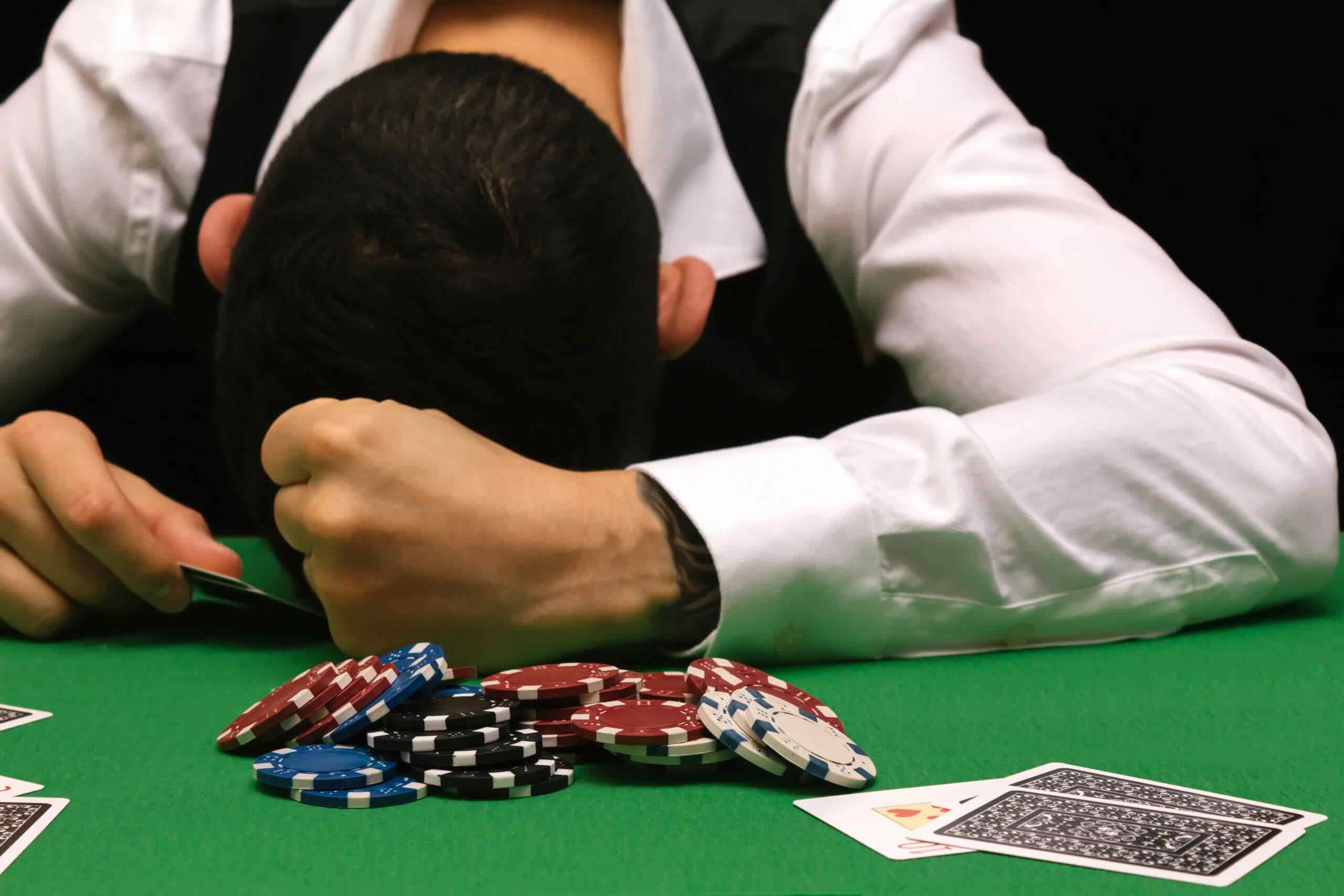
At its core, gambling involves both skill and luck, making it a complex interplay of psychological factors. Understanding the nature of these games and their inherent risks is crucial for anyone considering participation. The psychological allure of gambling can lead individuals to chase losses or develop dependency, highlighting the importance of responsible gaming practices.
The Psychology of Gambling
The psychological aspects of gambling play a significant role in why individuals engage in this activity. Many people find themselves drawn to the adrenaline rush and the possibility of winning big. This thrill can sometimes overshadow the potential consequences, leading to impulsive decisions and poor financial management.
Moreover, cognitive biases, such as the illusion of control and availability heuristic, often affect gamblers’ judgments. Players might believe they can influence outcomes in games of chance, leading to overconfidence. Recognizing these psychological traps can help beginners develop a more grounded approach to gambling, enhancing their overall experience.
Common Gambling Strategies
While no strategy guarantees success in gambling, several approaches can improve a player’s odds. For instance, understanding the rules of the game and employing a solid betting system can mitigate losses. Techniques like the Martingale system, where players double their bets after a loss, can be appealing but require significant capital and risk.
Another strategy involves game selection; choosing games with better odds can be advantageous. For example, games like blackjack and poker offer opportunities for skill-based play, whereas slot machines are purely based on chance. By focusing on games that allow for strategic thinking, players can enhance their chances of winning.
Managing Your Bankroll
Effective bankroll management is essential for any gambler, especially beginners. Establishing a budget before engaging in gambling activities helps to prevent financial strain and encourages responsible play. Players should only gamble with money they can afford to lose, ensuring that the activity remains entertaining rather than a source of stress.
Additionally, setting win and loss limits can be a valuable practice. This discipline allows players to walk away when they reach a predetermined threshold, promoting healthier gambling habits. By managing their bankroll wisely, players can sustain their enjoyment of gambling while minimizing risks.

Discover More at Our Website
For those looking to explore the world of gambling further, our website offers a wealth of resources. From expert tips and guides to the latest news in the gambling industry, we provide valuable insights to help you navigate your gambling journey. Whether you’re a novice or an experienced player, our content is designed to enhance your understanding and enjoyment.
Join our community to learn more about responsible gaming, effective strategies, and the psychological elements of gambling. We aim to equip our readers with the knowledge necessary to make informed decisions and create a positive gambling experience.